
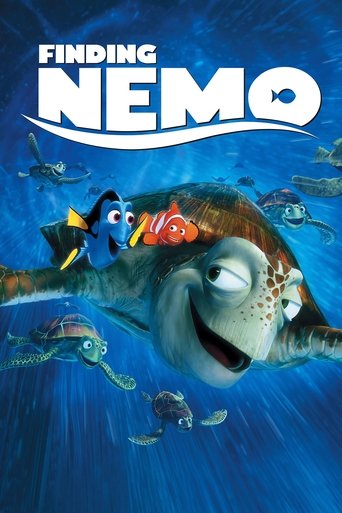
 Finding Nemo2003 · Movie7.8 / 10
Peekvid
186 titles in four tabs, each with its cast, its rating and a Watch now button.
Movies
Finding Nemo2003 · Movie7.8 / 10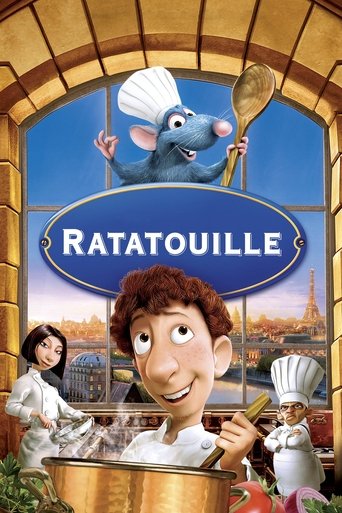 Ratatouille2007 · Movie7.8 / 10
 Jurassic Park1993 · Movie8.0 / 10
 Charlie and the Chocolate Factory2005 · Movie7.0 / 10
 Back to the Future Part II1989 · Movie7.8 / 10
 Jumanji1995 · Movie7.2 / 10
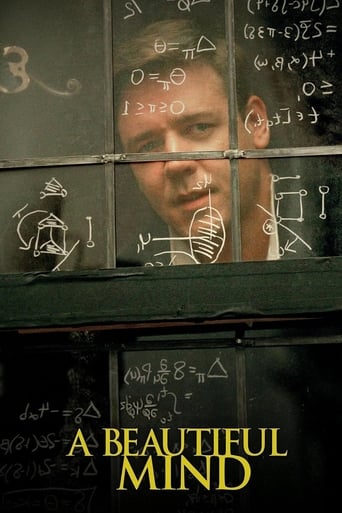 A Beautiful Mind2001 · Movie7.9 / 10
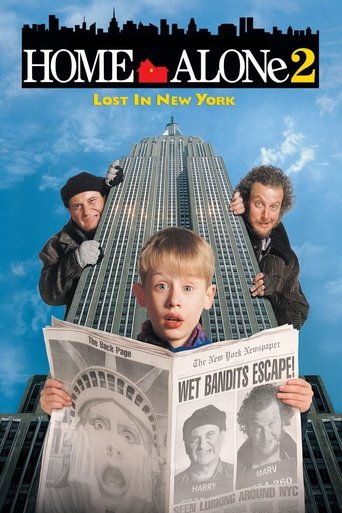 Home Alone 2: Lost in New York1992 · Movie6.8 / 10
TV Series


Cartoons





Sports


The Peekvid guide
Peekvid: movies, TV series, cartoons and sports films, from Finding Nemo, Friends and The Wonder Years to Toy Story, Samurai Jack, Cool Runnings and Seabiscuit
To peek is to take a quick look before deciding, and that is the whole purpose of this guide. Peekvid sets out 186 titles in four tabs, movies, TV series, cartoons and sports, and gives each one a page that can be read in half a minute: what it is, who is in it, how long it runs, how well it is liked and where it can be watched. A visitor takes a peek, makes a choice and presses one button.
The catalogue closes at the end of 2007, the year from which the site's design is drawn, and reaches back to 1942. It holds sixty-eight movies, forty-six TV series, forty-two cartoons and thirty sports films. The series among them amount to 374 seasons and 8,590 episodes, and the features to about 208 hours. Everything was screened by hand for a family audience, so the tabs are full of comedy, adventure, animated classics, warm drama and the kind of sports story that ends with a cheer.
This guide looks under each tab in turn, then at the lists that run across them, and explains how the site works. The short version is in How to watch with Peekvid.
How Peekvid works
The site is a white box on a grey page, in the manner of the middle 2000s. Under the logo runs a black bar of tabs with a blue rule beneath it: Movies, TV Series, Cartoons, Sports, Comedy and Music. The home page has two columns. At the left are two panels with thin green borders: Most viewed, a list of twelve titles each marked with an arrow, and Browse, with links to the main lists and their counts. At the right, under blue headings, are rows of four framed posters for each tab, with the title underlined in blue and the score in green.
A title page gives the year, the rating, the genres, the leading cast, the director or creator and a summary. A film shows its running time and a series lists its seasons and episodes with their dates. Beside the Watch now button is a country selector; choose a country, press the button, and the title opens on JustWatch, which lists the subscription, rental, purchase and free services that carry it there. Peekvid is a guide, and the watching happens on those official services.
Four routes lead to a title, described in Finding a title: the tabs, the search field, the lists page and the alphabetical index. The most viewed guide explains the left-hand panel. The list feature is called My Peeks; it keeps titles to watch in the browser on the device in use, and the My Peeks page shows how to add to it, how to mark an episode and how to save the list as a file.
The movies tab
Sixty-eight movies sit under the first tab, and the movies guide begins with the three that the most viewed panel puts at the top. Finding Nemo is the story of a clownfish, cautious by nature, who crosses an ocean to find his son, helped by a blue tang with a very short memory. Its reef glows, its jokes work for every age and its picture of a parent learning to let go is quietly wise. Ratatouille follows a rat with an exceptional sense of taste into the kitchen of a famous Paris restaurant, where he guides a clumsy young cook by tugging his hair. Charlie and the Chocolate Factory opens the gates of the most mysterious factory on earth to five children and their guardians.
The tab is rich in favourites from the 1980s and 1990s. Big grants a twelve-year-old his wish to be grown up and gives him a job testing toys. Ferris Bueller's Day Off spends one perfect spring day in Chicago with a schoolboy who has decided that lessons can wait. The Breakfast Club shuts five pupils in a library for a Saturday. Back to the Future Part II sends its heroes thirty years ahead, and Bill & Ted's Excellent Adventure sends two friends through history in a telephone booth to collect material for a school report.
The 1990s contribute Jurassic Park, the adventure that showed audiences living dinosaurs; Groundhog Day, in which a weatherman repeats one February day until he learns to deserve the next; Jumanji, with its board game that releases a jungle; Liar Liar, in which a lawyer loses the ability to fib; and Home Alone 2: Lost in New York. Rain Man, the best picture of 1988, sends two brothers across America by road because one of them will travel in only one way.
Romance is strongly represented. Notting Hill and Four Weddings and a Funeral made a London bookseller and a diffident best man into heroes. You've Got Mail set two rival booksellers writing to each other under invented names. While You Were Sleeping placed a lonely ticket seller in the lap of a large Chicago family at Christmas, and The Wedding Singer looked back fondly at 1985. Before Sunrise and Before Sunset follow one long conversation across nine years and two cities.
The newest films under the tab date from the middle 2000s: Little Miss Sunshine, a road comedy in a yellow van; The Holiday, a house exchange between England and California; Elf, about a man raised at the North Pole; A Beautiful Mind, the story of a mathematician; and Ray, the life of a great musician. Family comedies such as Daddy Day Care, RV and Cheaper by the Dozen 2 round out the list.
The TV series tab
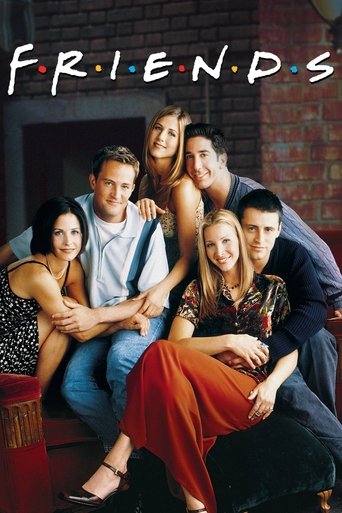
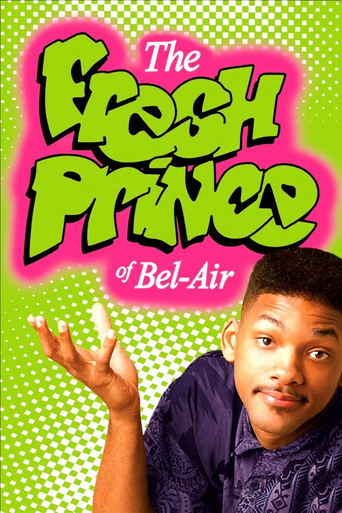
Forty-six series sit under the second tab, and the TV guide starts with a sofa. Friends, rated 8.4, follows six New Yorkers through ten years of flats, jobs and coffee, and remains the most watched comedy of its generation. Scrubs sets its humour in a teaching hospital, where a young doctor's daydreams interrupt his rounds and the janitor holds a mysterious grudge; beneath the jokes it is one of the most honest series about learning a profession. The Fresh Prince of Bel-Air, Mad About You, Home Improvement, Roseanne and Family Matters cover the American household from a mansion to a factory town.
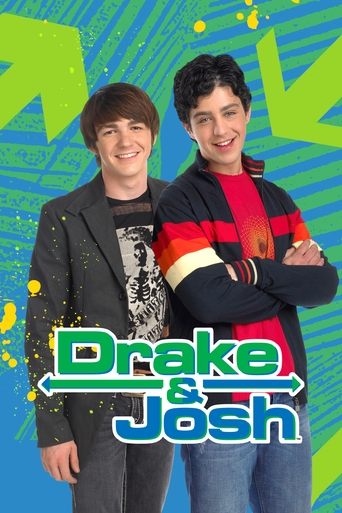
A special group concerns growing up. The Wonder Years, rated 8.3, is narrated by a man looking back on his boyhood in a suburb at the end of the 1960s, and each episode is a small, exact memory: a first dance, a lost baseball game, a father's silence at dinner. Boy Meets World follows its hero for seven years, Freaks and Geeks spends a single school year in Michigan in 1980, and Saved by the Bell sets a group of friends loose in a California high school. For younger viewers there are Drake & Josh, Lizzie McGuire, That's So Raven and Hannah Montana.
The dramas under the tab are among the best ever broadcast. The West Wing, rated 8.3, walks briskly through the corridors of a fictional presidency with a staff who believe that government can be a noble calling. ER ran for 331 episodes in a Chicago emergency department and trained a generation of actors. Grey's Anatomy, which began in 2005, is the longest live-action series here at 461 episodes. Friday Night Lights makes a small Texas town and its football team the setting for one of television's finest portraits of a marriage.
Britain supplies two literary adaptations and three comedies. Pride and Prejudice, the six-part version of 1995, and North & South, a four-part story of a southern clergyman's daughter in a northern mill town, are both models of how to film a novel. The IT Crowd, Spaced and Mr. Bean are short, sharp and endlessly repeatable. Science fiction is represented by Quantum Leap, whose scientist jumps from life to life putting small things right, and by Eureka and Kyle XY.
The cartoons tab
Forty-two titles sit under the third tab, twenty-four features and eighteen series, and the cartoons guide runs from the hand-drawn classics to the cable channels of the 2000s. The oldest feature is Bambi, from 1942, followed by Cinderella, Alice in Wonderland, Peter Pan and Sleeping Beauty, whose angular forests and stained-glass colour make it the most stylised of the group. One Hundred and One Dalmatians, The Jungle Book and The Aristocats belong to the looser, jazzier 1960s.
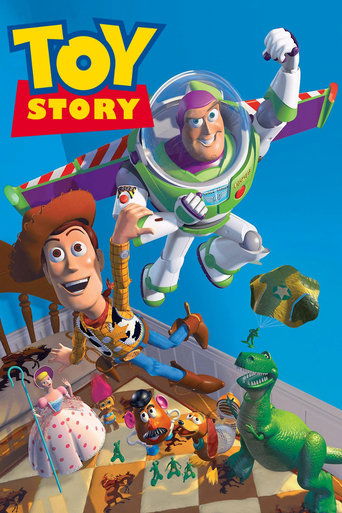
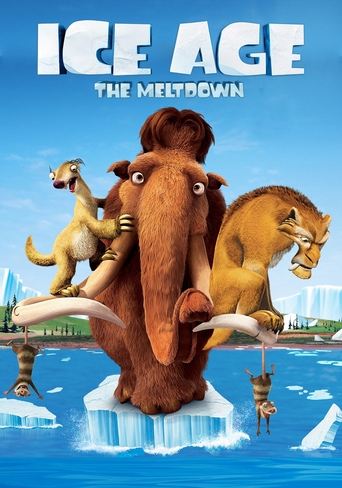
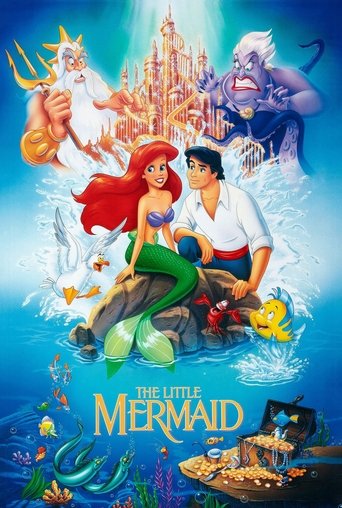
The musical revival of the late 1980s and 1990s is here in force: The Little Mermaid, Beauty and the Beast, Pocahontas, The Hunchback of Notre Dame, Hercules and Tarzan. Toy Story, the first feature animated entirely by computer, stands beside the clay hens of Chicken Run, the dancing penguins of Happy Feet and the mammoth, sloth and tiger of Ice Age: The Meltdown. Anastasia, Space Jam and The Polar Express show three other studios at work.
The series are the tab's glory. Samurai Jack, rated 8.4 and created by Genndy Tartakovsky, sends a warrior from old Japan into a distant future and tells his story with very little speech and a great deal of design; whole episodes pass like silent films. The same artist made Dexter's Laboratory, about a boy genius and the sister who presses his buttons. Hey Arnold! is set in a city boarding house and is among the kindest cartoons ever made, and Courage the Cowardly Dog lives on a lonely farm visited weekly by strange guests.
Action is supplied by Justice League Unlimited, rated 8.3, which gathers dozens of heroes; by X-Men and Spider-Man, the two great comic-book serials of the 1990s; and by Danny Phantom, Ben 10, Jackie Chan Adventures and ThunderCats. Comedy comes from SpongeBob SquarePants, whose 689 episodes make it the longest series on the site, The Fairly OddParents, The Powerpuff Girls, The Grim Adventures of Billy and Mandy, The Adventures of Jimmy Neutron: Boy Genius and Phineas and Ferb, which arrived in the catalogue's final year.
The sports tab
Thirty films sit under the fourth tab, and the sports guide divides them into true stories, films for children and tales of the underdog. The true stories are the heart of it. Miracle recreates the American ice hockey team of 1980 and the coach who forged it. Seabiscuit tells of a small racehorse who became a national hero in the 1930s. Glory Road and We Are Marshall recall two college teams and the towns behind them, Radio a coach's friendship with a young man who loved the game, and The Greatest Game Ever Played a golf championship won by an amateur of twenty.
Children have a whole league. The Sandlot remembers a summer of neighbourhood baseball in 1962 and a ball lost over a fence. Little Giants pits a team of leftovers against the town's chosen few. D3: The Mighty Ducks follows a hockey team to a new school, Rookie of the Year puts a twelve-year-old on a professional mound, and Like Mike gives a boy a pair of magical trainers. Air Bud introduces a golden retriever who can shoot baskets, Racing Stripes a zebra who wants to race, and The Black Stallion, the oldest film under the tab, a horse and a boy cast away together.
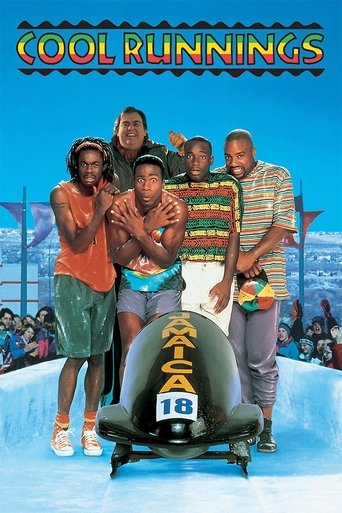
Underdogs complete the tab. Cool Runnings sends four Jamaicans and a sled to the Winter Olympics. Invincible is the true story of a barman who earned a place in a professional team at thirty. The World's Fastest Indian follows a New Zealander in his sixties to the salt flats with a motorcycle he built himself. Goal! and its sequel take a young player from Los Angeles to European football, and Tin Cup, Wimbledon, Stick It, Blue Crush and Ice Princess cover golf, tennis, gymnastics, surfing and skating.
Comedy across the tabs
One hundred and twenty-four titles are comedies, two thirds of the catalogue, and the comedy guide follows the form from tab to tab. In the cinema it thrives on a single bold premise carried through with logic: a repeated day, a wish to be big, a day of compulsory honesty. On television it thrives on a fixed group in a fixed place, a hospital, a flat, a basement office. In animation it can be as wild as a laboratory behind a bedroom bookcase.
Family comedy is especially plentiful. Father of the Bride finds Steve Martin unable to accept that his daughter has grown up. National Lampoon's Christmas Vacation decorates a house until the city's lights dim. Beethoven brings a very large dog into a very tidy home, and Doctor Dolittle, Flubber and The Flintstones turn old stories into new farce. On television, 8 Simple Rules, Everybody Loves Raymond, According to Jim and Step by Step keep the tradition going.
Drama
Sixty-one titles are dramas, and the drama guide pairs them. Two films are about devoted men who see the world differently from those around them: the older brother with an astonishing memory in the road film of 1988, and the father of I Am Sam who must show a court what love is worth. Two series are set in institutions that are awake at every hour, a White House and an emergency room. Two more are adaptations of nineteenth-century novels made by the BBC nine years apart, each with a proud hero who must learn to see clearly.
The sports tab adds a dozen dramas of its own, and the movies tab the mathematician, the musician and Pay It Forward, in which a schoolboy's idea spreads further than he could have guessed. Boston Legal, Ally McBeal, Private Practice and Ugly Betty mix drama with comedy in offices of law, medicine and fashion.
More under the movies tab
The movies tab repays a second look, because behind the famous titles stand many that families return to. About a Boy pairs a Londoner who has arranged his life to avoid all obligations with a twelve-year-old who needs a friend, and lets each improve the other. The Golden Compass follows a girl and an armoured bear into the far north. August Rush is a fable about a boy who believes his music will lead his parents to him, and Mr. Bean's Holiday and Bean carry a silent troublemaker to the Riviera and to California.
Weddings and courtship fill a long shelf from the turn of the century: The Wedding Planner, Just Friends, What a Girl Wants, in which an American teenager finds her father in an English stately home, and the two films in which a schoolgirl discovers that she is heir to a small European throne or loses her mobile telephone at a ball. Rat Race sends six groups of strangers scrambling across the desert, and The Santa Clause 2 obliges a contented Santa to find a wife before Christmas Eve.
Older comedies hold their own beside them. Father of the Bride is as funny about fathers as it was in 1991. The lights on the house in the Christmas comedy of 1989 still fail at the crucial moment. The Flintstones built an entire town of stone for a single film, and Flubber gave Robin Williams a laboratory of dancing green goo. A viewer who opens the tab and scrolls past the first row will find most of a childhood waiting.
More under the TV series tab
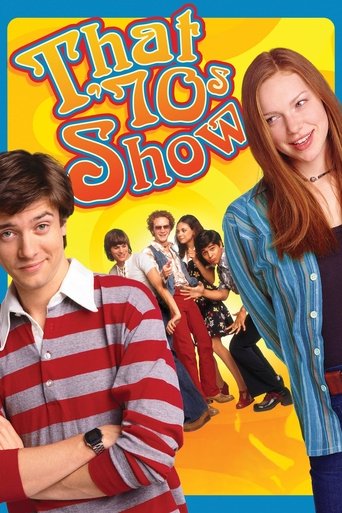
The TV tab also has depth. Gilmore Girls is set in a small Connecticut town full of eccentrics, where a mother and her teenage daughter talk at remarkable speed about books, films and coffee. The Nanny brings a saleswoman from Queens into the household of a Broadway producer and matches the butler quip for quip. Dinosaurs is a family sitcom performed by puppets, with a baby who steals every scene, and That '70s Show spends eight seasons in a Wisconsin basement.
The children's channels of the 2000s are well represented. The Suite Life of Zack & Cody sets twin brothers loose in a grand hotel. iCarly, which began in the catalogue's final year, follows three friends who make a web show in an attic. The Australian series H2O: Just Add Water is about three girls who become mermaids whenever they touch water, and has been shown in more than a hundred countries.
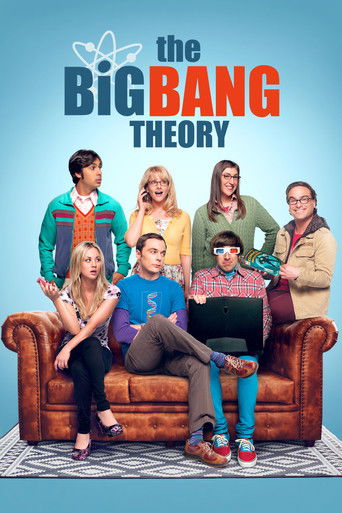
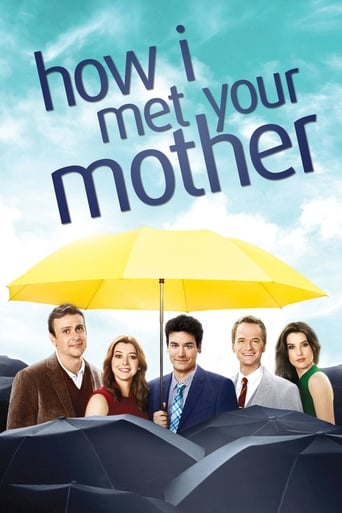
Comedy for adults includes How I Met Your Mother, told by a father to his children years later; The Big Bang Theory, about four scientists and their neighbour; and Flight of the Conchords, about two musicians from New Zealand trying their luck in New York. Boston Legal and Ally McBeal are legal series with a comic heart, and Ugly Betty follows a clever young woman from Queens into a fashion magazine. Each page lists every season and episode, so a viewer can see at once how long a commitment is being proposed.
How the cartoons were made
The cartoons tab is a small museum of technique. The features made before 1990 were drawn by hand on paper, traced on to clear sheets, painted and photographed one frame at a time; a film of seventy-five minutes needed more than a hundred thousand drawings. The spotted puppies of 1961 were the first to be copied by a photographic process that kept the animators' own lines, which gives that film its sketchy energy. By the 1990s computers were colouring the drawings and moving the camera, as in the ballroom of the beast's castle.
In 1995 the toys arrived, made entirely inside a computer, and within ten years that method had become the norm. The clay hens of 2000 were moved by hand, a frame at a time, by a studio in the west of England, and the train to the North Pole used actors whose movements were recorded and given to digital figures. Television cartoons, made to tight schedules, developed a bold graphic style of flat colour and strong outline, and several series under the tab are admired by designers as much as by children.
Voices complete the craft. The actors record first and the animators follow their timing, so a performance is shared between two artists. Some voices under the tab belong to film stars, and many more to specialists who play half a dozen roles across different series.
What makes a good sports film
The sports tab shows the form's simple strength. A sports story comes with a structure already built: training, setbacks, a final contest with a clear result. Good films use that structure to talk about something else. The hockey film is about a country that needed cheering. The basketball film is about fairness. The racehorse film is about three damaged people who are mended by a damaged horse, and the golf film of 1913 is about a boy from a modest home walking on to a course where he had once carried other men's clubs.
The children's films use the same shape for gentler lessons: that the last child picked for a team may be the one who wins the game, that a coach can learn from his players, that playing is its own reward. They are also very funny, and they were made in great numbers between 1992 and 1997, which is why the sports tab is so strong in those years.
A third group is about individuals who compete against time or their own doubts: the motorcyclist in his sixties, the figure skater who is also a physics student, the surfer facing the great winter waves of Hawaii. Their films tend to be quieter and leave a longer impression.
Romance
Thirty-five titles are love stories, and the romance guide notes that most were made between 1994 and 2007, the high season of the romantic comedy. London has its bookseller and its best man; New York has rival bookshops, a pair of lost gloves in Serendipity, a hotel maid mistaken for a guest in Maid in Manhattan and a duke from 1876 in Kate & Leopold. Sweet Home Alabama sends a fashion designer back to the South, and Music and Lyrics puts a forgotten pop star and a reluctant lyricist at one piano.
Weddings supply the comedy of My Big Fat Greek Wedding, My Best Friend's Wedding, Runaway Bride and The Wedding Planner. The two films of a single conversation, in Vienna and in Paris, stand a little apart from the rest and above them. On television, the great slow courtships belong to the six friends and to the hero and heroine of the six-part Austen.
Family
Eighty-seven titles suit all ages, and the family guide suggests taking them a tab at a time. The movies tab offers the ocean, the Paris kitchen, the chocolate factory and the spider of Charlotte's Web, along with Stuart Little 2, Garfield: A Tail of Two Kitties and The Adventures of Sharkboy and Lavagirl. The cartoons tab offers every one of its features and most of its series. The sports tab offers its children's league, and the TV tab its comedies for younger viewers.
The oldest titles are often the best place to begin with small children. The hand-drawn features are short, most of them between seventy and eighty minutes, and their stories are clear. From there a family can move forward through the decades, to the computer-animated toys and fish, and on to live-action adventures as attention spans lengthen.
Music
Nineteen titles are filed under music, and the music guide hears three kinds. The animated musical is the richest: the mermaid, the beast, the hero of Olympus with his gospel chorus, and the lost princess on her way to Paris each have scores written by masters of the stage. Live action contributes Ray, with its recreations of famous recording sessions, August Rush, about a boy who hears music in everything, and the comedy of the pop star and the lyricist.
Television adds Flight of the Conchords, whose two New Zealanders break into song in every episode, and Hannah Montana, about a schoolgirl with a secret career. The Wedding Singer and Happy Feet are musicals in all but name.
Three periods
The catalogue is filed in three periods, set out in Three periods. Twenty-four titles date from before 1990: the hand-drawn features, a handful of beloved 1980s comedies and the first long-running sitcoms. Sixty-one come from the 1990s, a decade strong in every tab, with the great network comedies, the animated musicals and the children's sports films. One hundred and one date from 2000 to 2007, when computer animation, cable cartoons and the true sports story were all at their height.
The year 2007 is the last in the catalogue, and several series that began in it, the physicists' comedy and the stepbrothers' summer among them, continued long afterwards. Their pages list every season, including those made later.
Top rated
Twenty-four titles are rated 8.0 or higher by at least three hundred voters, and the top rated guide lists them. Three share first place at 8.4: the samurai in the future, the six friends and the two stepbrothers. Six stand at 8.3, among them the suburban memoir, the presidential drama and the league of heroes. Every one of the first fourteen is a series, which shows how much affection years of episodes can build.
Among films, the highest scores belong to the dinosaurs, the two conversations, the mathematician and the fish. The most viewed panel on the home page ranks by audience instead, and the two lists together give a fair picture of what is admired and what is simply loved.
Why the catalogue stops in 2007
The design of this site is drawn from a page of 2007, and the catalogue keeps to that horizon. It was an interesting moment. Television was still watched mostly on a schedule, though box sets on disc had taught people to watch series in order. Computer animation had become the standard for family films. The first video sites were appearing, and a page that listed what there was to see felt like a new and useful thing.
Keeping to 2007 also gives the catalogue a character. Everything in it had been made by then, and most of it had been tested by a few years of affection. It is a collection of what a well-informed viewer of that year would have recommended to a friend, and nearly all of it has lasted.
Choosing by age
For the youngest, start under the cartoons tab with the hand-drawn features and the gentler series. From about seven, the family films of the movies tab and the children's league of the sports tab suit well. From ten or eleven, the time-travel comedies, the school series and the action cartoons open up. Teenagers have the 1980s school films, the romances and the hospital comedy; adults have the dramas, the two conversation films and the whole run of the suburban memoir.
A great many titles work for a mixed room. The fish, the toys, the six friends, the bobsleigh team and the baseball summer have each been tested by millions of households.
A title page at a glance
A Peekvid page is built for the quick look the name promises. A framed poster stands beside the title and the year. Small labels give the tab and the genres. The score appears in green with its number of votes, followed by the length, in minutes for a film and in seasons and episodes for a series. A short summary states the premise. Cast and makers are listed with links to their other titles, and a series page continues with its dated episodes. The country selector and the Watch now button are near the top on every screen.
Questions about Peekvid
Friendship in four tabs
If one subject links the tabs, it is friendship. Six friends share a decade in Manhattan. Two stepbrothers learn to like each other. A cowboy doll and a space ranger begin as rivals and end as partners. A bobsleigh team is formed from a quarrel. Even the dinosaurs film is, at its centre, about two children and the adults who learn to protect them.
Television has the time to show friendship growing. Over a hundred episodes a group can argue, part and reunite, and the audience ages with them. Films must do it in two hours and often choose the road trip, as the brothers of 1988 and the family in the yellow van both show. Cartoons can make friends of a boy and his dog, a sponge and a starfish, or five heroes in capes.
School on screen
School is the setting for a surprising share of the catalogue. The Saturday detention, the day off, the Michigan corridors of 1980, the California halls with their ringing bell, the middle school of the girl with the cartoon conscience and the classroom where a boy grows up over seven years all belong here. Sport adds the playing fields, and animation adds a football-headed boy's city school and a laboratory hidden behind a bookcase.
These stories last because school is the one experience nearly every viewer shares. They are also a gentle way for parents and children to talk about friends, teachers and the small disasters of a week. A family could build a term's viewing from the school titles alone.
Places under the tabs
The settings range widely. New York hosts the six friends, the rival bookshops and the boy alone at a grand hotel. Chicago has its hospital, its day off and its Christmas romance. Seattle, Boston, Washington and a small town in Texas each have a drama. London and the English countryside appear in the romances and the costume serials, Paris in a kitchen and on a long walk, Vienna by night.
Animation travels furthest: under the sea, to a French castle, to ancient Greece, to the African jungle, to Antarctica and to a future ruled by a shape-shifting wizard. The sports films add a Canadian ice track, the salt flats of Utah, a golf course in Massachusetts and the surf of Hawaii.
A title for every season
The catalogue follows the calendar easily. Winter has the elf, the boy in New York, the house of lights, the train to the North Pole and the Christmas episodes of every long comedy. February has a film of its own, repeated daily. Spring suits the weddings and the baseball films, summer the camp, the sandlot and the surfing, and autumn the school series and the football dramas.
Because series pages list episodes with their dates, a seasonal episode is easy to find. Many households keep a few favourites for the same week each year, and My Peeks is a convenient place to note them.
Makers worth following
Certain names recur. One animation studio made the toys, the fish and the rat within twelve years. One writer created the presidential drama. One director of animation made both the samurai and the boy genius, and one producer had a hand in the stepbrothers, the web show and several other children's comedies. Among film directors, the maker of the Saturday detention also made the day off, and the maker of the dinosaur adventure needs little introduction.
Actors can be followed too. Tom Hanks is a boy in a man's body, a bookshop owner and the voice of a cowboy. Robin Williams appears in a board game and a laboratory. Julia Roberts, Hugh Grant and Sandra Bullock lead the romances. The search field accepts any of these names and gathers their titles from every tab.
Good pairings
Titles from different tabs often sit well together. The clay hens and the baseball boys both plan a great escape of a kind. The presidential drama and the comedy about a lookalike in the same office make a thoughtful evening. The samurai's silent journey pairs with the nearly wordless horse film, and the two great dog comedies of the early 1990s can be watched back to back.
For a family double bill, a hand-drawn feature of seventy-five minutes followed by a children's sports film fits neatly into an afternoon. For adults, one conversation film on each of two nights is hard to better.
A week with four tabs
The tabs suggest a routine. Weeknights go to the TV tab, where an episode takes twenty or forty minutes. Friday is for a movie. Saturday morning belongs, as it always has, to cartoons, and Sunday afternoon to a sports film with the family. The Browse panel fills any gap with a list by mood.
The routine is only a suggestion, yet it shows how the tabs fit together. Between them they cover every length from eleven minutes to several hundred hours, and every age in a household. The Most viewed panel is there for the evening when a choice is hard to make.
The value of a quick look
The site's name describes a habit worth keeping. Before the web, people peeked at the back of a video case or at a paragraph in a listings magazine, and those few lines were usually enough. A title, a year, a length, two or three names and a sentence of plot allow most viewers to decide. Peekvid gives exactly that, in the same order on every page, and then steps aside.
Choosing well is partly a matter of choosing quickly, before an evening is spent scrolling. A guide that helps a visitor reach a decision in a minute has done its job, and the rest belongs to the film or the series and to the people watching it together.
Animals under every tab
Animals appear wherever one looks. The movies tab has a very large dog, a mouse with a family, a lazy cat, a spider who can spell and a doctor who talks to all of them. The cartoons tab has a fawn, a pride of lions' distant cousins in the jungle, a family of Parisian cats, a hundred and one puppies, a herd from the last ice age and a colony of penguins who sing. The sports tab has a racehorse, a zebra, a wild stallion and a retriever who plays basketball.
Children often choose by animal before anything else, and the search field obliges: typing dog, horse or penguin gathers the relevant titles from all four tabs. For a child who has just fallen in love with one creature, that small feature can supply a month of viewing.
Work and vocation
Many of these titles are, at heart, about people learning to do a job. Young doctors learn medicine in two very different hospitals. A presidential staff learns to govern. A rat learns to cook and a critic learns to taste again. A weatherman, given all the time in the world, finally learns the piano, ice sculpture and kindness. A teacher of music in the cartoon city believes in every one of his pupils.
The sports films show vocation in its purest form, years of practice for a few minutes of performance. Watching them alongside the hospital and office series makes a point that is useful for younger viewers to hear: most worthwhile things take a long time to learn, and the learning can be the best part.
Time travel and second chances
A favourite idea of the period was the second chance, often delivered by a trick of time. One hero repeats a day until he gets it right. Two friends borrow a telephone booth to pass a history class. A teenager and a scientist visit the future and must repair the present. A scientist on television leaps into other people's lives to mend what once went wrong, and a duke of 1876 steps through a gap into modern Manhattan.
Other titles offer second chances by ordinary means: a father returns to his family in a red suit, a lawyer learns to keep a promise, a retired champion motorcyclist takes his machine across the world for one more attempt. These are generous stories, and they explain a good deal of the affection in which the titles of these years are held.
Short, medium and long
The four tabs cover every length. The shortest features are the hand-drawn classics, several of them under seventy-five minutes. Most films run from ninety minutes to two hours. Series begin at four episodes, in the case of the mill-town romance, and six for the Austen, and run to several hundred for the hospital dramas and the cartoon set under the sea.
That variety makes planning easy. A spare twenty minutes suits one episode of a comedy or two of a short cartoon. A quiet evening suits a film. A long winter suits a drama taken from its first episode, with the marker on the series page keeping the place from night to night.
Where to begin under each tab
For a first visit, one title from each tab gives the flavour of the whole. Under Movies, the repeated February day is a comedy that every generation enjoys. Under TV Series, the first episode of the suburban memoir, with its narrator's voice and its music of the period, shows what television can do in twenty-four minutes. Under Cartoons, an episode of the samurai's journey shows animation as pure design. Under Sports, the bobsleigh team will leave a room cheering.
A second round might take the Paris kitchen, the six-part costume serial, the hand-drawn tale of the sleeping princess and the summer of neighbourhood baseball. After that the lists and the Browse panel take over, and the Most viewed panel stands ready with twelve sure choices.
What has lasted
Looking across the four tabs, it is striking how much from these years is still watched. The network comedies are streamed by people born after they ended. The hand-drawn features are shown to each new generation of children. The cable cartoons have been rediscovered by the adults who grew up with them, and the true sports stories are still used by coaches and teachers. A catalogue that stops in 2007 might be expected to feel dated, and instead it reads like a list of old friends.
The reason is simple enough. These titles were made to be enjoyed by many kinds of people at once, with clear stories, likeable characters and endings that satisfy. That kind of entertainment ages slowly. A visitor who takes a peek at any tab will find something familiar, something half remembered and something new to them, which is a good mixture for an evening.
Questions
What is Peekvid?
Peekvid is a guide to 186 titles in four tabs: movies, TV series, cartoons and sports films. Each has its cast, a summary, a rating and a Watch now button.
How do I watch a title?
Open its page, choose your country beside the Watch now button and press it. JustWatch then lists the services that carry the title in that country.
How many titles are under each tab?
There are sixty-eight movies, forty-six TV series, forty-two cartoons and thirty sports films.
Which titles are rated highest?
Samurai Jack, Friends and Drake and Josh share 8.4. The Wonder Years, The West Wing and Boy Meets World stand at 8.3.
What is the Most viewed panel?
It lists the twelve titles with the largest audiences, counted by votes. Finding Nemo, Toy Story and Ratatouille lead it.
Why are there only titles up to 2007?
The site's design comes from a page of 2007, and the catalogue keeps to that year as its horizon. Series that began by then are listed with all their seasons.
Is the catalogue suitable for families?
Every title was screened by hand for a family audience. Eighty-seven titles carry the Family label.
Which series has the most episodes?
SpongeBob SquarePants has 689 episodes. Among live-action series, Grey's Anatomy has 461 and ER has 331.
What is My Peeks?
My Peeks is your list of titles to watch. It is kept in the browser on your device, and the list page can save it as a file.
Where does the information come from?
Posters, ratings, casts and episode data are supplied by TMDB. The guide on this page and the fifteen help pages are written for Peekvid.
